Telematics
Vehicle telematics: how it works and why it matters
By ZELTS Team · 7 min read
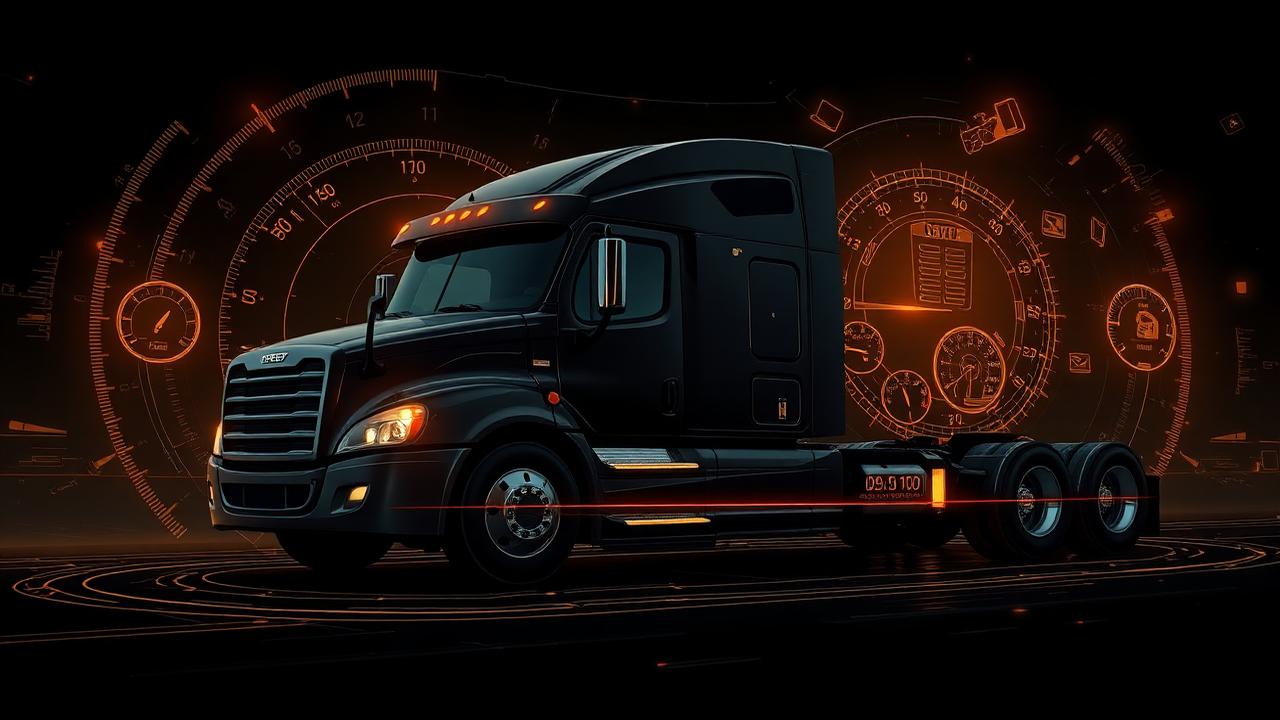
RPM, fuel consumption, driver behavior, predictive maintenance. The telematics that turns into operational profit.
Vehicle telematics: how to turn data into operational profit.
For many years, vehicle tracking simply meant knowing where the vehicle was. Today, that has completely changed.
Modern companies use telematics to understand operational behavior, cut costs, prevent mechanical failures and increase productivity.
What is vehicle telematics?
Telematics is the automatic collection of vehicle data in real time. This information is sent to an intelligent platform that turns technical data into operational indicators.
In practice, the company starts to see:
- How the driver drives
- How much the vehicle consumes
- When maintenance will be needed
- Where waste occurs
- Which operations generate losses
What data can telematics capture?
Data varies depending on the equipment and CAN bus integration, but the main ones are:
- RPM
- Speed
- Fuel consumption
- Engine temperature
- Harsh braking
- Excessive acceleration
- Idle time
- Ignition use
- Mileage
- Hour meter
- Battery voltage
- Electronic diagnostics
- Driver behavior
This information generates operational intelligence.
Telematics is not just tracking
This is one of the biggest mistakes in the market.
Companies that only use tracking see the "where". Companies that use telematics understand the "why".
How does telematics reduce costs?
Fuel reduction
Fuel is usually the fleet's biggest cost. Telematics identifies:
- Excessive acceleration
- Idling
- Inefficient routes
- Detours
- Excessive speed
Small adjustments generate significant savings.
Predictive maintenance
Corrective maintenance is expensive. Telematics makes it possible to predict failures before they stop the vehicle. This reduces:
- Unexpected breakdowns
- Emergency costs
- Vehicles out of service
- Operational losses
Driver behavior control
Drivers directly impact fuel consumption, mechanical wear, safety and fleet lifespan. Telematics helps create driving indicators and improvement programs.
More operational safety
Events such as speeding, off-route driving, aggressive driving and unauthorized stops can trigger automatic real-time alerts.
Telematics and data-driven management
Modern companies don't make decisions based on guesswork. With telematics, managers can track:
- Operational KPIs
- Fleet efficiency
- Productivity
- Cost per vehicle
- Driver performance
This transforms operational management.
Which companies use telematics the most?
- Trucking companies
- Corporate fleets
- Logistics
- Agribusiness
- Rental companies
- Urban transportation
- Asset security
- Charter services
- Distribution
The platform's role in telematics
Platform quality makes all the difference. A modern platform needs to deliver:
- Real-time processing
- Smart dashboards
- Open APIs
- Configurable alerts
- Advanced reports
- ERP and BI integration
- Scalability
Without that, data becomes just loose numbers.
The future of telematics
The market is moving toward:
- Artificial intelligence
- Automated predictive maintenance
- Driver scoring
- Video telematics integration
- Operational machine learning
- Decision automation
Companies that start early will have a greater competitive advantage.
Conclusion
Telematics is intelligent operations management. It reduces costs, improves safety, increases productivity and turns data into strategic decisions.